
ADVANCED BONE & JOINTS HEALTH CENTRE
SEPTEMBER 2026
Stiff Joints: Causes, Symptoms and Ways to Improve Mobility
|
Joint stiffness can make everyday activities feel more difficult. Getting out of bed, walking upstairs, bending down or even moving your fingers may feel uncomfortable when your joints do not move as freely as they should.
Stiff joints can happen for many reasons, including prolonged inactivity, ageing, previous injuries and joint conditions such as osteoarthritis. Understanding the possible causes can help you take better care of your bone and joint health.
The good news is that regular movement, healthy lifestyle habits and appropriate professional care may help support joint mobility and reduce stiffness.
What Causes Stiff Joints?
Joint stiffness does not always have one single cause. It can be related to your age, activity level, previous injuries or an underlying joint condition.
Here are some common causes of stiff joints.
1. Ageing

As we get older, changes can occur in the cartilage and other tissues that support our joints. These changes may contribute to stiffness and reduced movement.
Stiffness may be more noticeable after waking up or after sitting in one position for a long time.
However, joint stiffness should not simply be dismissed as a normal part of getting older. Persistent or worsening symptoms may need professional assessment.
2. Staying in One Position for Too Long
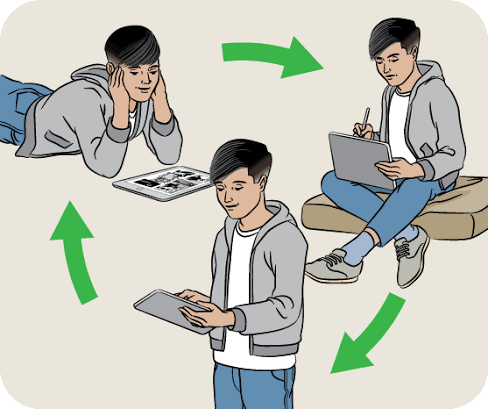
Sitting at a desk, driving or resting for long periods can make your joints feel stiff.
When a joint stays in the same position for an extended period, movement becomes more limited and the surrounding muscles may also become less active.
The Malaysian Ministry of Health advises avoiding prolonged positioning and recommends changing positions, stretching and moving regularly to help reduce stiffness.
Simple habits such as standing up, walking around and gently moving your joints throughout the day can help you stay mobile.
3. Osteoarthritis
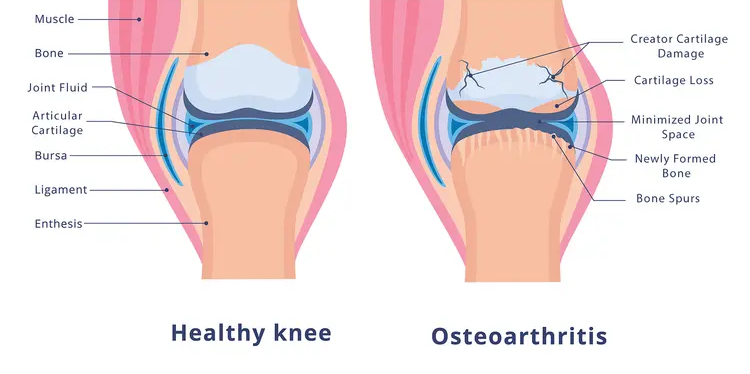
Osteoarthritis is one of the most common conditions associated with joint pain and stiffness.
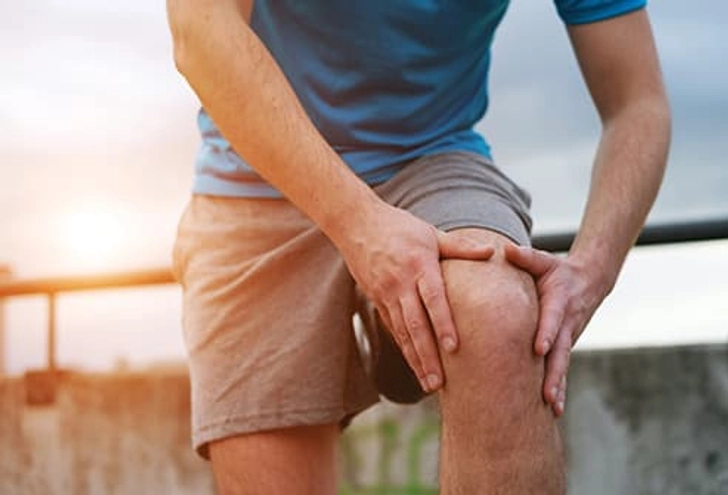
It can affect the knees, hips, hands, neck and lower back. Symptoms may include joint pain, stiffness after rest, swelling and reduced movement.
Osteoarthritis can develop gradually and may be more common with increasing age. Previous joint injuries, repetitive stress and excess body weight can also increase the risk.
4. Previous Joint Injuries
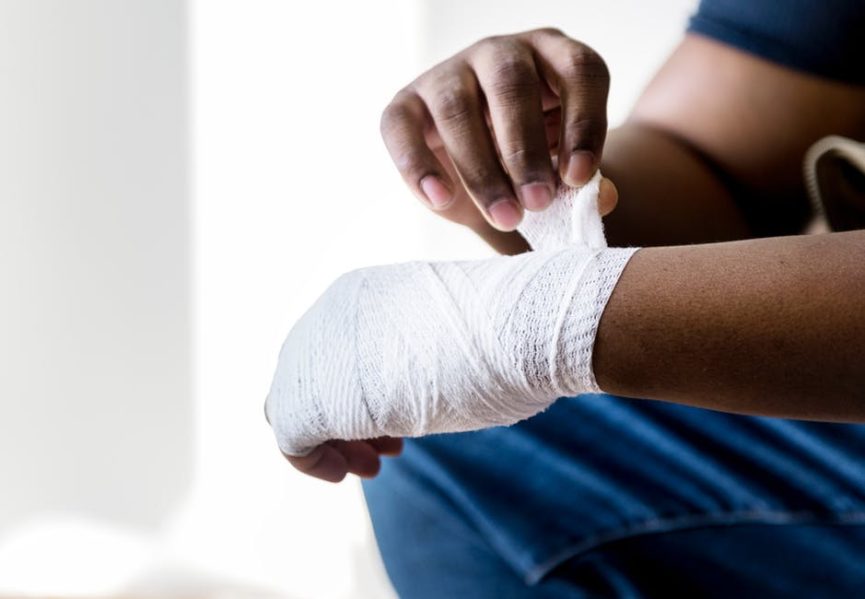
A previous injury may affect the way a joint move, even after the initial injury has healed.
Sports injuries, falls or repetitive strain can affect the tissues around a joint and may contribute to stiffness or discomfort.
If stiffness develops after an injury, an appropriate assessment can help identify the cause and guide the next steps.
5. Inflammatory Joint Conditions
Some types of arthritis can cause inflammation around the joints. Rheumatoid arthritis, for example, can cause persistent joint pain and stiffness.
Other inflammatory conditions can also affect the joints.
If your joints are frequently swollen, warm, painful or stiff for prolonged periods, it is important to seek professional medical advice rather than assuming the symptoms are simply due to ageing.
When Is Joint Stiffness More Noticeable?
Stiffness may become more noticeable:
- After waking up in the morning
- After sitting for a long time
- After travelling for several hours
- After repetitive physical activities
- After periods of reduced activity
- When moving a joint that has been painful or injured
The pattern and duration of stiffness can provide useful information when a healthcare professional is assessing your symptoms.
For example, osteoarthritis commonly causes stiffness after periods of rest or inactivity, although symptoms can vary from person to person.
How Can You Improve Joint Mobility?
Keeping your joints moving is an important part of maintaining joint health.

1. Move Regularly
You do not have to perform intense exercise to keep your joints active.
Simple activities such as walking, gentle stretching, cycling or water-based exercise can help maintain movement and strengthen the muscles that support your joints.
For people with osteoarthritis, exercise can help reduce pain and stiffness while improving flexibility, muscle strength and overall function.
Start gradually and increase your activity according to your comfort and physical condition.
2. Avoid Sitting for Too Long
If your daily routine involves working at a computer or sitting for extended periods, take regular movement breaks.
Try to:
- Stand up regularly
- Walk around for a few minutes
- Change your sitting position
- Perform gentle joint movements
- Stretch within a comfortable range
These small changes can make movement a more natural part of your daily routine.
3. Strengthen the Muscles Around Your Joints
Strong muscles help support your joints during everyday activities.
Depending on your condition, suitable exercises may include gentle strengthening exercises, resistance bands or body-weight exercises.
If you already experience significant pain or stiffness, consider getting professional advice before starting a new exercise programme.
4. Maintain a Healthy Weight
Body weight can affect the amount of stress placed on weight-bearing joints, particularly the knees and hips.
For people with osteoarthritis who are overweight, weight management may help reduce stress on the joints and improve mobility.
A balanced diet combined with regular physical activity can support overall bone, muscle and joint health.
5. Consider Heat for Morning Stiffness
Some people find gentle heat helpful when their joints feel stiff.
A warm shower or warm compress may help relax surrounding muscles and make movement more comfortable.
Heat should be used safely and should not be excessively hot or applied directly to the skin for prolonged periods.
6. Pay Attention to Your Daily Movement
Your everyday habits can influence your joints.
Avoid repeatedly performing movements that cause discomfort, and consider how you sit, stand, lift and carry objects.
Good posture and appropriate body mechanics can help minimise unnecessary strain on the musculoskeletal system.
When Should You Get Your Joint Stiffness Checked?

Occasional stiffness may improve with movement and rest. However, persistent or worsening symptoms should not be ignored.
Consider seeking professional assessment if you experience:
- Joint stiffness that keeps returning
- Persistent joint pain
- Swelling around a joint
- Warmth or redness around the joint
- Reduced range of movement
- Difficulty walking or performing daily activities
- Symptoms that started after an injury
- Increasing difficulty using the affected joint
Sudden severe pain, significant swelling or an inability to use a joint should be assessed promptly.
A healthcare professional can assess your symptoms, medical history and physical movement to determine whether further investigations may be appropriate.
Supporting Long-Term Bone and Joint Health
Looking after your joints is not only about managing pain when symptoms appear. Daily habits can also play an important role in maintaining mobility and physical function.
Regular movement, appropriate exercise, healthy weight management, good posture and early attention to persistent symptoms can all contribute to better joint health.
If joint stiffness is affecting your ability to walk, work, exercise or enjoy your usual activities, getting an appropriate assessment can help you understand what may be contributing to the problem.
Take the First Step Towards Better Joint Mobility
Stiff joints can affect people at different stages of life and for different reasons. Understanding the cause is an important first step towards choosing an appropriate approach to joint care.
At Advanced Bone Joint Health Centre, our focus is on supporting bone and joint health through appropriate assessment and non-surgical approaches.
If persistent joint stiffness or reduced mobility is affecting your daily life, professional assessment can help you better understand your joint condition and the options available for managing it.
Disclaimer: This article is for general health education only and should not replace an individual medical assessment or professional medical advice.
Start Your Recovery with a Free Consultation
Get expert advice from our bone and joint specialists no commitment, just care.