
ADVANCED BONE & JOINTS HEALTH CENTRE
JULY 2026
SHOCKWAVE THERAPY AND PLATELET-RICH PLASMA
Understanding Shockwave Therapy and PRP
|
Shockwave Therapy and Platelet-Rich Plasma (PRP) are two regenerative treatments commonly used to support healing in tendon, muscle, and joint-related conditions. While both therapies work differently, they share a similar goal – stimulating the body’s natural healing response without surgery.
Shockwave Therapy uses acoustic sound waves to target injured tissue. These sound waves help improve blood circulation, stimulate cellular repair, reduce pain, and break down scar tissue or calcifications that may interfere with recovery.
PRP therapy involves drawing a small amount of the patient’s blood and processing it to concentrate the platelets. These platelets contain growth factors that may supports tissue repair and generation when injection when injected into the affected area.
How Shockwave Therapy Works
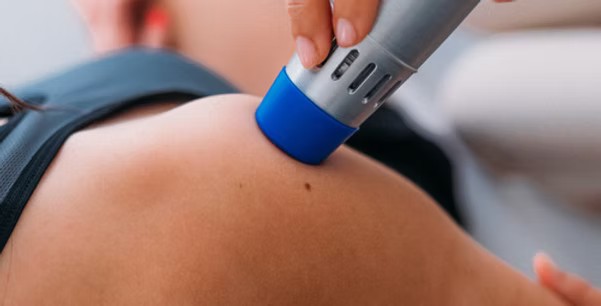
Shockwave Therapy is a non-invasive treatment that delivers controlled mechanical energy into damaged tissues. The treatment is commonly used for chronic tendon injuries and musculoskeletal conditions such as:
- Tennis elbow
- Achilles tendinopathy
- Plantar fasciitis
- Rotator cuff injuries
- Patellar tendon pain
The therapy may help:
- Increase blood flow
- Stimulate collagen production
- Encourage tissue regeneration
- Reduce chronic pain
- Improve mobility and recovery
Many patients prefer Shockwave Therapy because it does not involve injections or surgery, and treatment sessions are generally quick with minimal downtime.
Understanding PRP Therapy
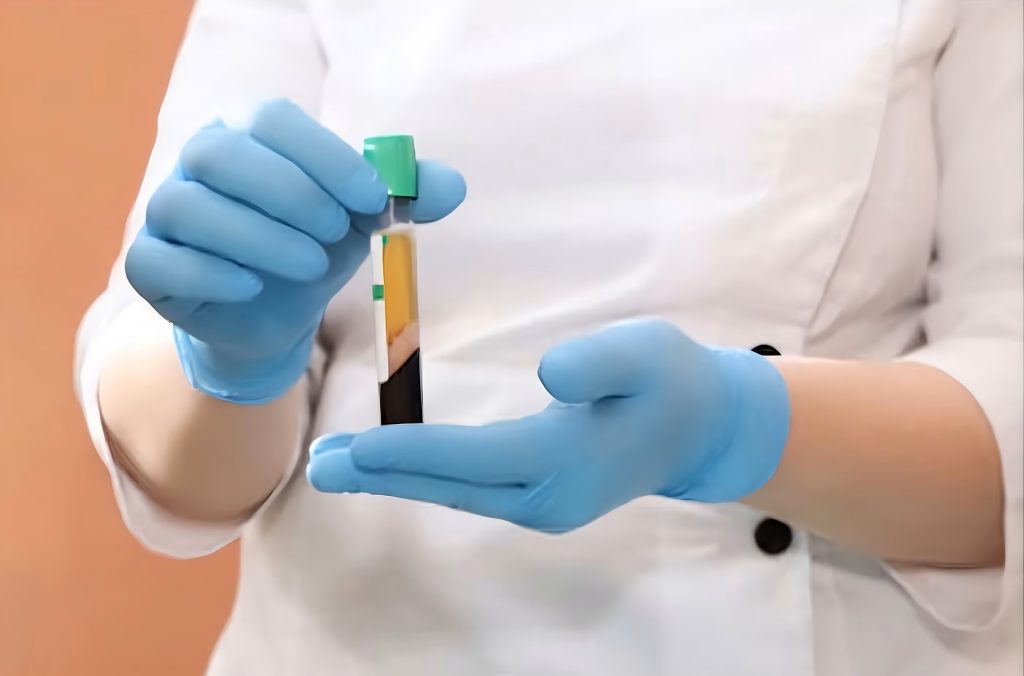
Platelet-Rich Plasma (PRP) therapy uses the patient’s own blood to create a concentrated solution rich in platelets and growth factors. Once injected into the injured area, PRP is believed to support the body’s repair process by stimulating tissue regeneration.
PRP is commonly considered for chronic tendon injuries, ligament problems, and joint-related conditions where healing has slowed down over time.
Potential benefits of PRP may include:
- Supporting tissue healing
- Encouraging collagen repair
- Improving recovery in chronic injuries
- Reducing inflammation in certain conditions
Because PRP involves injections, some patients may require a short recovery period after treatment.
Why Shockwave Therapy and PRP Are Often Combined
In regeneration medicine, Shockwave Therapy and PRP are sometimes used together to enhance the healing environment. Shockwave Therapy may help improve circulation and stimulate biological activity in the injured tissue, while PRP delivers concentrated growth factors directly into the targeted area.
Some clinicians believe that Shockwave Therapy may help “prepare” the tissue before PRP treatment by improving blood flow and breaking down scar tissue. This combination approach may support better tissue regeneration and recovery in selected cases.
Potential advantages of combining both therapies include:
- Enhanced healing response
- Improved tissue regeneration
- Better blood circulation
- Support for chronic tendon injuries
- Reduced recovery time in some patients
Conditions Commonly Treated
Shockwave Therapy and PRP are frequently considered for conditions such as:
- Tendon injuries
- Sports-related injuries
- Chronic joint pain
- Plantar fasciitis
- Tennis elbow
- Achilles tendon problems
- Shoulder tendon conditions
- Patellar tendon injuries
Treatment suitability depends on the individual condition, severity of injury, and overall health assessment.
Shockwave Therapy VS PRP
Although both treatments aim to stimulate healing, there are some important differences:
| Feature | Shockwave Therapy | PRP Therapy |
|---|---|---|
| Procedure | Non-invasive | Injection-based |
Downtime | Minimal | May require short recovery |
Treatment Method | Acoustic sound waves | Concentrated platelets from blood |
Main Goal | Stimulate healing and circulation | Deliver growth factors |
Common Use | Tendon and soft tissue pain | Chronic injuries and tissue repair |
In some cases, healthcare professionals may recommend one treatment over the other, while certain patients may benefit from a combination approach.
Final Thoughts
Shockwave Therapy and Platelet-Rich Plasma (PRP) are modern regenerative approaches designed to support the body’s natural healing process. While each treatment works differently, both are widely used for tendon, muscle, and joint-related conditions.
The most appropriate treatment depends on the type of injury, severity of symptoms, treatment goals, and professional medical assessment. Patients experiencing persistent tendon or musculoskeletal pain should consult a qualified healthcare professional to determine whether Shockwave Therapy, PRP, or a combination of both may be suitable for their condition.
Sources:
- Remington Medical
- GD Osteopathy
- Carolina Nonsurgical Orthopaedics
Start Your Recovery with a Free Consultation
Get expert advice from our bone and joint specialists no commitment, just care.